
St. Nicholas in Ukraine: History, Traditions, and Key Dates
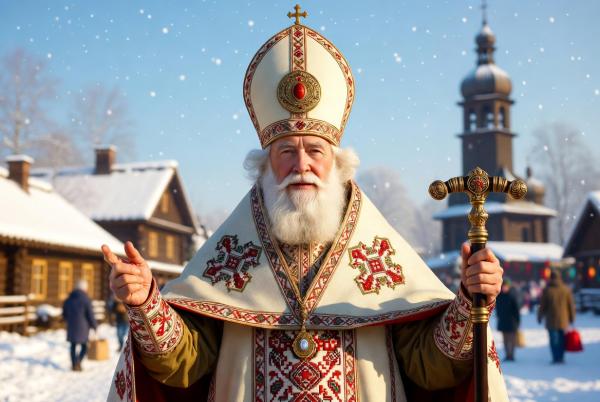
St. Nicholas, known in Ukrainian as Святий Миколай (Sviatyi Mykolai) or simply Миколай, is one of the most beloved and revered saints in Ukraine. He is a symbol of kindness, generosity, protection of the vulnerable (especially children, sailors, and the poor), and miracles. In Ukrainian culture, his feast day marks the joyful beginning of the winter holiday season, long before the arrival of Christmas.
Historical Background
St. Nicholas the Wonderworker (Миколай Чудотворець) was a real historical figure — a Christian bishop born around 270–280 AD in Patara (in modern-day Turkey) and who served as Bishop of Myra (now Demre). He died on December 6, 343 AD (or 345/346 in some sources). Legends tell of his secret acts of charity, such as throwing bags of gold through windows to save three poor sisters from poverty (a story that inspired the tradition of surprise gifts), rescuing sailors from storms, and defending the faith at the Council of Nicaea in 325 AD.
Christianity came to Kyivan Rus' (the medieval state that included much of modern Ukraine) in 988 AD under Prince Volodymyr the Great. St. Nicholas quickly became one of the most venerated saints. By the 11th century, churches honored him, icons of him stood in homes and on iconostases (often next to Christ or the Virgin Mary), and his feast was widely celebrated.
Ukrainian folk tradition even distinguished two "Nicholases":
- "Cold Nicholas" (зимовий Миколай) — the winter saint associated with snow (he "shakes his beard" to bring the first frost).
- "Warm Nicholas" (весняний Миколай) — celebrated on May 22 (9 May old style), linked to farming, drying wet fields, and the start of grazing.
In ports and among Cossacks, he was especially revered as the patron of seafarers — icons of St. Nicholas were carried on ships sailing the Black Sea.
The cult of St. Nicholas grew strong in Ukraine, surviving through centuries, including under Polish-Lithuanian, Cossack Hetmanate, and even Soviet rule (when many religious traditions were suppressed, but folk customs persisted quietly).
St. Nicholas Day: Key Dates in Modern Ukraine
Until 2022–2023: Celebrated on December 19 (December 6 according to the Julian calendar, which Orthodox and Greek Catholic churches in Ukraine followed).
Since 2023: Following the switch to the Revised Julian / New Julian calendar (aligned closer to the Gregorian calendar) by the Orthodox Church of Ukraine (OCU) and the Ukrainian Greek Catholic Church (after Russia's full-scale invasion in 2022 accelerated de-Russification of church life), St. Nicholas Day is now officially on December 6.
The night of December 5–6 is often called "Magic Night" (Чарівна ніч) or simply St. Nicholas Night.
This change aligns Ukraine more with Western Christian countries (where St. Nicholas Day is December 6) and separates it from Russian Orthodox traditions.
Ukrainian Traditions and Customs for St. Nicholas Day
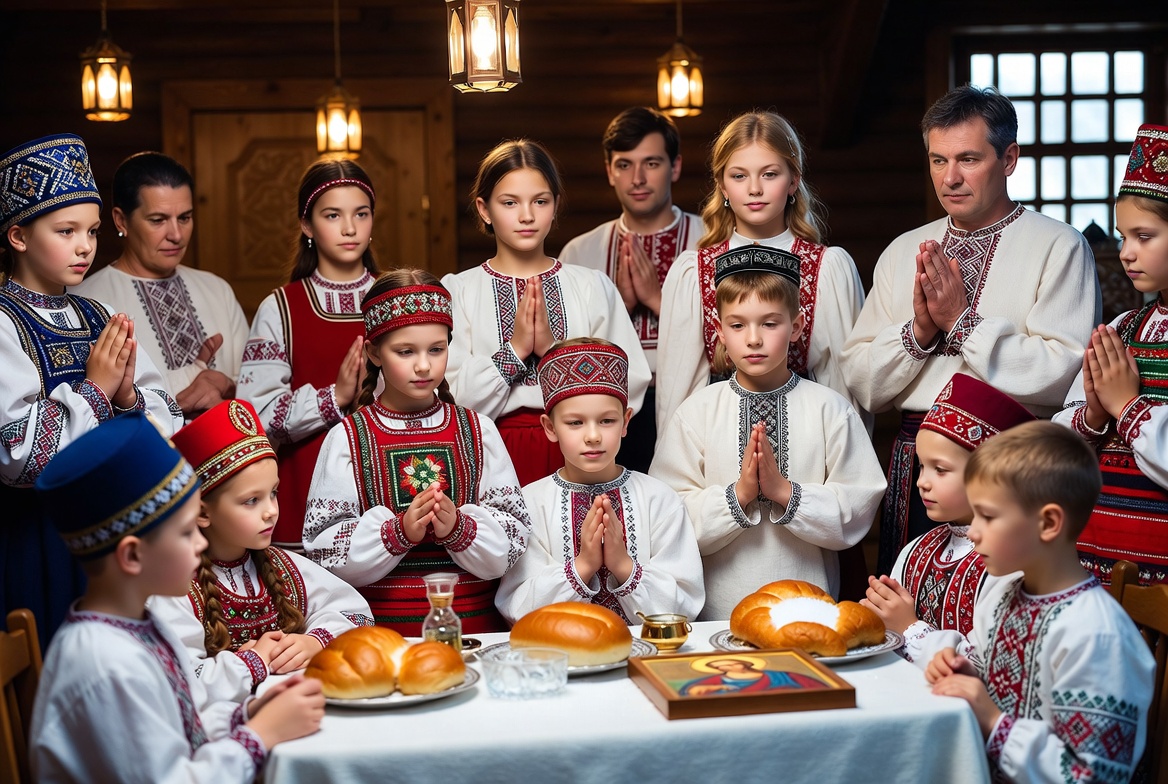
St. Nicholas Day is primarily a children's holiday in Ukraine — a day of joy, small miracles, and family warmth. It kicks off the winter festivities.
Main traditions include:
- Gift-giving: Children leave shoes, boots, or stockings by the window or under the pillow. St. Nicholas (invisible) brings sweets, toys, fruits, or small presents to good children during the night. Naughty ones might find a rod (річка / birch switch), coal, or potatoes as a gentle reminder to behave. In modern families, parents often play the role, but the magic of "he came secretly" remains.
- Family and charity: Families gather, share treats, and help those in need — echoing St. Nicholas's generosity. Many organize charity drives for orphans, displaced children, or soldiers.
- In Western Ukraine (especially Carpathians and Galicia): More theatrical — St. Nicholas appears with an angel and devil. The angel praises good deeds, the devil teases mischief. Kids perform poems or songs.
- School and community events: Concerts, plays, and "St. Nicholas visits" in kindergartens and schools.
- Food and folk customs: In the past — brewing beer, feasting with guests, fairs starting (pre-Christmas markets). Today — gingerbread, sweets, warm family dinners.
- No big public parades like Santa in the West — it's more intimate and home-centered.
Unlike Western Santa Claus (a secular, commercial figure tied to Christmas Eve), Ukrainian St. Nicholas is a religious saint — kind bishop, not a jolly elf. Gifts here are modest and symbolic, focused on kindness rather than extravagance.
St. Nicholas vs. Western Christmas: Key Differences
- In Ukraine, major gift-giving happens on December 6 (St. Nicholas), not Christmas.
- Christmas (Різдво) is celebrated on December 25 (new calendar since 2023 for many) or traditionally January 7 (old calendar for some).
- Did Moroz (Grandfather Frost, Soviet-era figure) lose popularity? St. Nicholas is reclaiming his role as the true gift-bringer.
- Emphasis on miracles, charity, and faith rather than consumerism.
Even amid challenges (war, hardships), Ukrainians keep this tradition alive — often through charity initiatives to ensure every child gets a small gift. St. Nicholas remains a powerful symbol of hope, protection, and simple human kindness.
Святий Миколай іде — Різдво веде ("St. Nicholas is coming — he leads Christmas"). This old saying perfectly captures his role: the gentle saint who opens the door to the magical winter season in Ukraine.















Comments